The Importance of gare ciclismo in 2026
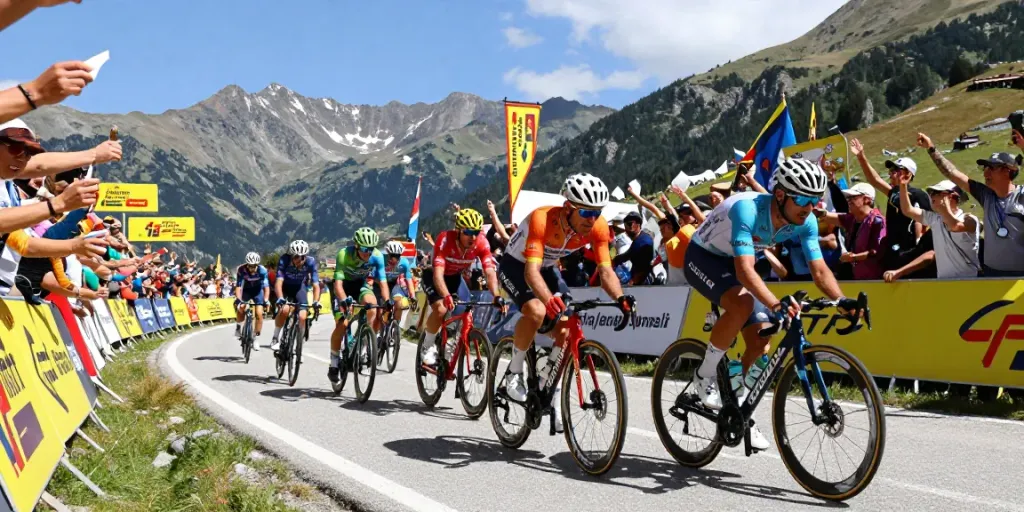
As we enter 2026, the world of competitive cycling is poised for thrilling transformations, driven by evolving trends and athlete performances. Gare ciclismo, encompassing various types of races from road cycling to mountain biking, reflects not only the sport's rich heritage but also the growing engagement of athletes and fans alike. This year, the spotlight shines brightly on key championships such as the Mondiali MTB and the Vuelta a España, where strategy, strength, and endurance will play pivotal roles in shaping race outcomes.
Understanding the Evolution of Cycling Events
The evolution of cycling events can be traced back to the late 19th century, but recent decades have seen an explosion in both popularity and the variety of formats. Events are no longer simply races but multifaceted festivals that encapsulate culture, technology, and community spirit. This transformation is largely fueled by advancements in technology, including bike designs, data analytics, and training methodologies. As fans become more engaged through diverse media platforms, their expectations rise, demanding that events deliver not just racing but a complete experience.
Moreover, the involvement of sponsor brands has risen, increasing the stakes for teams and athletes alike. The shift toward sustainability and eco-consciousness within the sport reflects broader societal trends, as organizations strive to minimize their carbon footprints during events.
Key Competitions and Trends to Watch
Among the key competitions for 2026, the Mondiali MTB is essential viewing, especially with the participation of top athletes like Van der Poel and Rissveds, who are expected to set the stage for an enthralling showdown. Similarly, the Vuelta 2026 is generating buzz, particularly after Andreas Leknessund’s impressive victory at Valdelinares. Observers will keenly watch Tadej Pogačar, who continues to demonstrate formidable prowess in climbing stages, compelling rivals to adapt their strategies extensively.
The 2026 cycling calendar is abundant with events that highlight significant trends, including an increase in women’s participation across categories and advancements in technology that optimize performance. Virtual racing platforms also offer fans a new avenue for engagement, sparking interest among younger audiences.
How gare ciclismo Affects Athlete Performance
The performance of cyclists at any race is influenced by myriad factors, from physical conditioning to psychological resilience. Athletes must navigate intense pressure, maintain focus, and adapt to the unpredictable nature of competitive events. The modern roadmap for success incorporates not just physical training but also mental conditioning strategies aimed at enhancing focus and emotional stability.
Additionally, data analytics have become integral in measuring performance metrics, aiding coaches in tailoring training regimens that maximize strengths while addressing weaknesses. Nutrition plays an equally critical role; elite cyclists are now more aware than ever of how their diets impact endurance and recovery, making informed choices about macronutrients and hydration—key elements for maintaining peak performance during demanding events like the Vuelta.
Preparing for Major Cycling Races
Essential Gear and Equipment for 2026
As the cycling landscape evolves, so does the technology surrounding gear and equipment. Cyclists gearing up for major events in 2026 must invest in high-quality bicycles that incorporate the latest advancements in materials and aerodynamics. Lightweight titanium or carbon fiber frames, precision gear systems, and advanced braking technologies are now standard in competitive settings.
Helmet safety standards continue to improve, with innovations such as MIPS (Multi-directional Impact Protection System) providing enhanced protection against rotational forces. Additionally, proper cycling attire—designed for both performance and comfort—becomes crucial in preparing for varying weather conditions, especially during outdoor races.
Training Regimens for Competitive Cyclists
Training programs for competitive cyclists have become increasingly specialized. Today’s athletes engage in a mix of endurance training, interval workouts, and strength training to build the necessary attributes for success in different types of races. For instance, cyclists preparing for hill-heavy routes, like those seen in the Vuelta, emphasize climbing drills, whereas sprinters will focus on short bursts of high-intensity speed work.
Recovery is equally vital; athletes strategically incorporate rest days and active recovery sessions into their schedules to prevent injuries and ensure optimal performance during competitions. Cross-training activities, such as swimming or yoga, also contribute to building balanced strength and flexibility.
Nutrition Strategies to Enhance Performance
Nutrition is a cornerstone of a cyclist's training regimen. For competitive cyclists, a balanced diet rich in carbohydrates, proteins, and healthy fats is essential. Carbohydrates serve as the primary fuel source, particularly before and during races, while proteins aid in muscle repair and recovery. Hydration remains a critical factor; electrolyte drinks are often consumed before and after strenuous activities to maintain optimal fluid balance and prevent fatigue.
Moreover, as competition heats up, many cyclists are now exploring supplements and energy gels to boost their performance during races. Properly timed fueling strategies, taking into account the race's duration and intensity, can considerably enhance endurance and overall performance.
Key Players and Teams in gare ciclismo
Top Athletes to Watch in 2026
The cycling scene in 2026 is teeming with talent. Notable athletes like Tadej Pogačar, who has consistently demonstrated his versatility and determination across various terrains, are expected to lead the charge in major races. Other athletes to keep an eye on include Remco Evenepoel and Mathieu Van der Poel, both famed for their aggressive racing styles and tactical intelligence.
The emergence of younger riders also highlights a dynamic shift within the sport, with fresh talent bringing new energy and competition. As these athletes continue to refine their skills and gain experience, they will undoubtedly influence the outcomes of key events, making them exciting to follow.
Impact of Team Dynamics on Races
In cycling, teamwork can significantly influence race outcomes. Dynamics within a team, including communication, strategy formulation, and role assignment, play crucial roles in achieving success. Leaders depend on their teammates for support during arduous climbs and sprint finishes, and a well-coordinated team greatly enhances the chances of winning races.
In 2026, teams such as UAE Team Emirates and Jumbo-Visma will be pivotal in shaping competitive landscapes, as they continue to showcase their depth and talent. The strategic allocation of roles within these teams—riders who focus on lead-out sprints, climbers, and domestiques—illustrates the complexity and depth involved in modern racing.
How Sponsorship Shapes Team Performance
Sponsorship in cycling influences more than just the financial backing of teams; it significantly affects performance levels. Sponsored teams benefit from access to cutting-edge technology and high-quality equipment, enhancing their competitive advantages. Furthermore, partnerships with nutrition brands provide athletes with the best supplements needed for endurance and recovery, optimizing their performance during critical races.
The sponsorship landscape has also evolved to include commitments to sustainability, with brands increasingly seeking to align themselves with eco-friendly practices and initiatives within the sport. This shift not only enhances the brand image but also appeals to a more socially-conscious audience.
Challenges and Strategies in gare ciclismo
Overcoming Mental and Physical Hurdles
Competitive cycling is riddled with challenges that athletes must overcome to succeed. Mental fortitude is often as critical as physical conditioning; cyclists face immense pressure not only from their opponents but also from expectations placed upon them by sponsors, fans, and themselves. Effective mental training strategies—like visualization techniques and mindfulness practices—are being integrated into preparation regimens to help athletes manage stress and stay focused.
Physical hurdles also play a significant role; injuries can derail even the most promising seasons. Cyclists must prioritize injury prevention and rehabilitation strategies, continually learning to listen to their bodies and respond to signs of distress.
Weather and Terrain Considerations
Weather plays a crucial role in cycling races. Cyclists must be prepared for varying conditions, from scorching heat to torrential rain. Each type of weather impacts strategy and performance. For instance, wet conditions may necessitate different tire choices to ensure optimal traction, while extreme heat could require more frequent hydration breaks.
Terrain also affects race strategies; different types of courses demand varied approaches. Flat stages require sprinters to conserve energy and position themselves correctly, while challenging mountain terrains demand careful pacing and climbing strategies. Athletes must train specifically for these conditions to excel.
Technological Innovations in Cycling
Technology continually transforms cycling, enhancing performance and safety. Innovations such as smart helmets that provide real-time data on rider performance and safety metrics are becoming increasingly common. Electronic shifting systems allow for smoother gear transitions, while advanced materials used in tire designs improve grip and puncture resistance.
Furthermore, data analytics tools empower teams and athletes to scrutinize performance metrics, allowing for tailored training programs that address specific needs. Such advancements contribute significantly to overall efficiency and effectiveness during races, fostering a more competitive environment.
The Future of gare ciclismo
Predictions for Upcoming Events Beyond 2026
As the sport of competitive cycling progresses beyond 2026, several predictions can be made regarding its future. An increase in the number of international events and grassroots initiatives is expected to encourage broader participation. The rise of gravel racing and adventure cycling will likely shape competitive landscapes, catering to diverse audiences and participants.
Moreover, we may see an increase in hybrid races that combine road and mountain biking elements, further enticing athletes and spectators alike. With the advent of technological advancements, virtual and augmented reality experiences may also emerge as new avenues for engagement, providing fresh perspectives to fans.
Potential Changes in Rules and Regulations
Future cycling events may witness new rules and regulations aimed at enhancing safety and fairness. Increased scrutiny on equipment standards, including safety checks on bicycles and clothing, could be implemented to level the playing field among competitors. Additionally, race organizations may adopt stricter policies to ensure environmental sustainability, aligning with global efforts to combat climate change.
How New Talent is Shaping the Industry
The influx of young, passionate cyclists is redefining the competitive landscape. Emerging talent challenges established athletes, fostering a culture of innovation and adaptability. Their approach to training, social media engagement, and sponsorships represents a shift toward a more dynamic, audience-focused sport.
As the sport progresses, the new generation of cyclists will undoubtedly leave a lasting impact, whether through enhanced performance techniques or initiatives that promote inclusivity in cycling.
What Are the Benefits of Participating in Cycling Events?
Participating in cycling events offers numerous benefits, not just for athletes but for communities and the environment. From promoting physical health to fostering social networks, cycling events create opportunities for individuals to engage in healthy competition while connecting with others who share similar interests.
Furthermore, these events often generate significant economic boosts for host communities through tourism and sponsorships. Local businesses benefit from increased foot traffic and visibility, while community spirit flourishes as residents rally to support their athletes.
How to Get Involved in Local Cycling Competitions?
For those looking to dive into the cycling scene, starting with local competitions is an excellent way to gain experience. Aspiring cyclists can begin by joining local cycling clubs that frequently organize training sessions and informal races. This not only builds skills but also fosters relationships within the cycling community.
Participating in community-managed events allows cyclists to understand the dynamics of competitive racing, develop racing strategies, and become familiar with various course types. Many local organizations will also offer beginner-friendly events, making it easier for newcomers to feel welcomed and engaged.
What Are the Best Practices for Aspiring Cyclists?
For those aspiring to make their mark in cycling, establishing a solid foundation is key. Implementing structured training schedules that include diverse cycling disciplines, joining groups with similar goals, and seeking mentorship from experienced cyclists can significantly enhance learning and performance.
Additionally, maintaining an analytical approach to training—by tracking progress, setting realistic goals, and adjusting plans based on outcomes—will foster continual improvement and growth in the sport.
How to Stay Safe During Competitive Cycling?
Safety should always be a priority in competitive cycling. Athletes must engage in proper equipment checks, ensuring that bikes are serviced regularly and helmets fit correctly. Awareness of road conditions and surrounding traffic is crucial, especially during outdoor events, as is practicing effective communication with teammates.
Joining organized races that prioritize safety measures—such as designated lanes, supportive staff, and clear signage—will also contribute to a safer experience. Cyclists are encouraged to wear visible clothing to enhance their safety on the road.
What Nutrition Plans Work Best for Cyclists?
Nutrition plans for cyclists should ideally be personalized, taking into account individual goals, body types, and training intensities. Consulting with a nutritionist who specializes in sports performance can provide insights into balanced meal plans that support endurance, strength, and recovery.
In general, cyclists require high carbohydrate intake for energy, with a strategic approach to protein consumption for muscle recovery. Hydration plans that incorporate electrolyte balance are also crucial, especially during prolonged rides and races.